
Home Energy Efficiency Improvements That Complement Solar Power
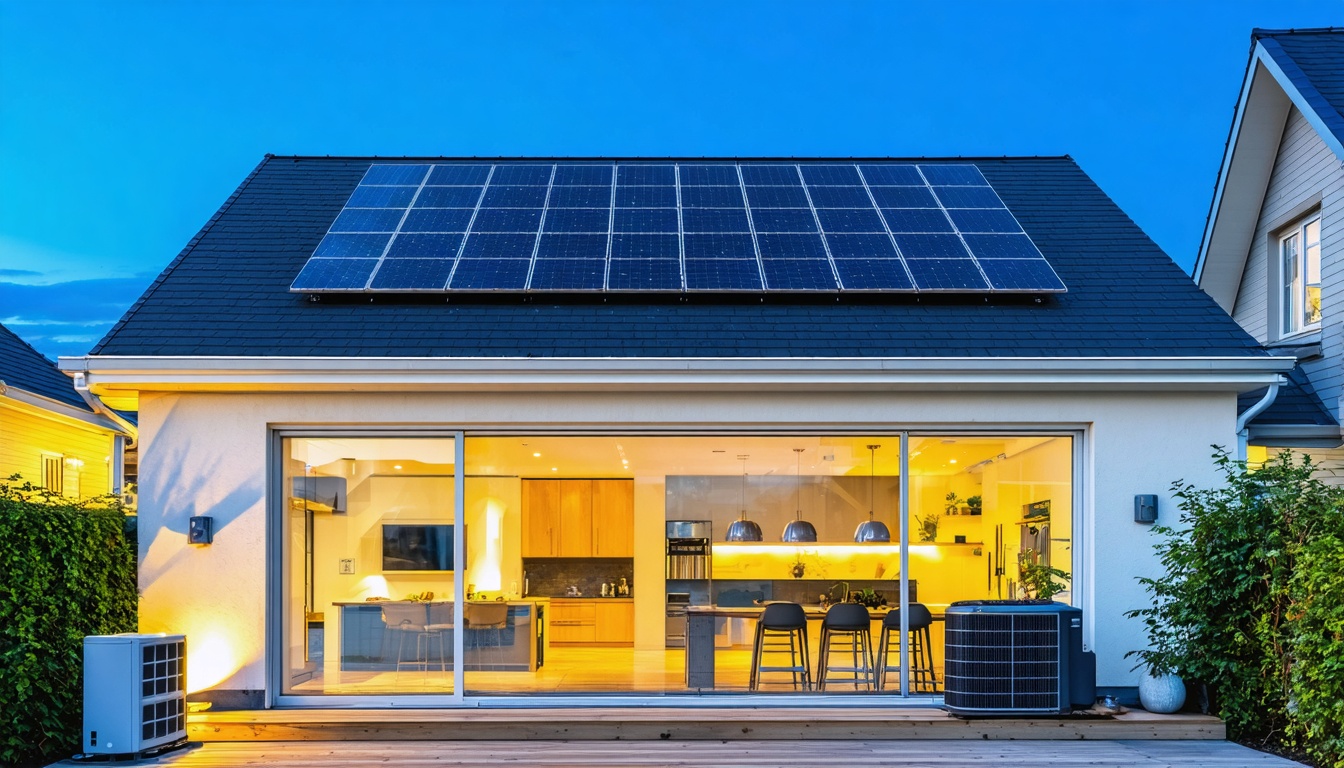
When investing in solar panels, it is important to ensure that your home is optimized to utilize the generated clean energy effectively. Factors such as air leaks, inadequate insulation, and inefficient appliances can lead to significant energy loss, diminishing the benefits of solar energy. Enhancing energy efficiency in your home can help maximize the use of electricity produced by solar panels, reduce utility bills, and maintain a comfortable indoor environment throughout the year. Key improvements to consider include: 1. **Air Sealing**: Identify and seal gaps around windows, doors, and other areas where air may leak. This can reduce heating and cooling costs and improve overall comfort. 2. **Insulation**: Upgrading insulation in attics, walls, and basements can prevent heat loss in winter and keep homes cooler in summer, allowing for efficient climate control. 3. **Energy-Efficient Appliances**: Replacing old appliances with Energy Star-rated models that use less energy can reduce overall household consumption, making better use of generated solar power. 4. **Lighting**: Switching to LED lighting can decrease energy use significantly when compared to traditional incandescent bulbs. 5. **Thermostats**: Installing programmable or smart thermostats can optimize heating and cooling schedules, ensuring that energy is used efficiently when the home is occupied. By addressing these aspects, homeowners can not only enhance the effectiveness of their solar energy systems but also contribute to long-term energy savings and environmental benefits.
Reducing Energy Loss with Air Sealing and Insulation
Proper air sealing and insulation are essential for achieving energy efficiency in residential properties, especially for those that incorporate solar panels. While solar energy serves as a renewable electricity source, its benefits can be significantly diminished if a home experiences energy loss due to inadequate sealing and insulation. Research indicates that improvements in air sealing and insulation can lead to reductions in energy loss by approximately 10%, resulting in lower heating and cooling costs.
Enhancing the building envelope minimizes air leakage, thereby reducing reliance on natural gas and other fossil fuels. This approach not only lowers overall energy consumption but also contributes to a more comfortable indoor climate.
Furthermore, these upgrades can positively influence property values, as energy efficiency is increasingly prioritized by homebuyers. Homeowners in New York and other eligible residents across the United States may qualify for federal tax credits when making air sealing and insulation improvements.
When these enhancements are paired with solar energy systems, they can increase overall energy efficiency, decrease initial investment costs, and help lower the carbon footprint. The integration of solar energy generation with improved building performance measures represents a methodical strategy for enhancing energy sustainability in residential environments.
Upgrading Doors and Windows for Greater Efficiency
Upgrading the doors and windows in a home can reduce one of the significant contributors to energy loss in residential buildings. Implementing energy-efficient models helps decrease heat transfer, limit air leaks, and mitigate drafts.
These improvements can lead to lower electricity costs and enhance the effectiveness of solar energy installations.
For homeowners in areas such as New York, which use natural gas or other fossil fuels, incorporating storm windows or insulated doors may further reduce energy expenses.
It is recommended to consult the National Fenestration Rating Council (NFRC) ratings when selecting energy-efficient products, as certain options may be eligible for federal tax credits available through the Internal Revenue Service (IRS).
Homeowners may also benefit from reviewing Frequently Asked Questions regarding air quality, environmental sustainability, and available incentives for home improvements.
These resources can assist in making informed choices about upgrading to enhance energy efficiency effectively.
Improving Water Heating and Appliance Performance
Integrating energy-efficient water heating and appliances into residential settings can significantly improve energy use efficiency, particularly for homeowners investing in solar technology. Upgrading to heat pump water heaters and Energy Star® certified appliances can lead to lower utility expenses, decreased reliance on natural gas and fossil fuels, and potential improvements in indoor air quality.
Homeowners in New York, as well as businesses, can benefit from federal tax credits available through the Internal Revenue Service for certain eligible projects. These projects may encompass efficient water heating systems, air-source heat pumps, and low-flow hot water fixtures.
Utilizing a savings calculator can help evaluate the financial impact of these upgrades. Moreover, addressing air leaks in the home can further enhance energy efficiency.
Overall, these improvements present viable options for homeowners across the country, offering realistic approaches to enhance energy use and promote sustainability within residential environments.
Maximizing Benefits of Solar Energy Integration
Integrating solar energy with energy-efficient upgrades can improve the effectiveness of your investment. For residents in Elizabeth, partnering with Solar Installers Serving Elizabeth can further optimize these benefits. Upgrades like modernizing appliances, implementing air sealing, and installing storm windows and doors can lead to lower electricity costs and a reduced reliance on natural gas or fossil fuels.
The incorporation of smart thermostats, air source heat pumps, and heat pump water heaters can further enhance energy management. These technologies enable more efficient energy consumption, which can translate into cost savings over time.
In the United States, homeowners and businesses may utilize federal tax credits to help offset some of the costs associated with these upgrades. It is advisable to refer to the Internal Revenue Service for comprehensive information regarding eligibility and the specific credits available.
Additionally, energy efficiency initiatives can improve indoor air quality and decrease carbon footprints, addressing environmental concerns. Such improvements not only lead to immediate financial savings but also have the potential to enhance property value over the long term.
Utilizing State and Community Incentive Programs
State and community incentive programs are important mechanisms that enhance the accessibility and financial feasibility of solar investments for homeowners. These programs aim to support energy efficiency and renewable energy initiatives, contributing to the reduction of energy expenses and the increase of property value.
In New York, initiatives such as Comfort Home and EmPower+ are specifically designed to aid in the improvement of essential home functions, including insulation, air source heat pumps, and air sealing. By subsidizing the costs of these enhancements, the programs enable homeowners to achieve significant energy savings over time while decreasing reliance on fossil fuels.
Furthermore, these home improvements can lead to lower energy bills and enhanced indoor air quality, which may positively impact the overall market value of the property.
Homeowners can utilize resources, such as frequently asked questions regarding eligibility for each type of incentive—covering appliances, water heating systems, and battery storage—to clarify the benefits and requirements associated with these programs.
It is recommended that homeowners considering these incentives evaluate their eligibility for the available programs and explore potential credits. This approach can help maximize their investment and overall savings from solar energy systems.
Leveraging Federal Tax Credits for Energy Upgrades
Homeowners interested in improving the return on their solar investments and increasing energy efficiency may consider utilizing federal tax credits. Specifically, the Residential Clean Energy credit allows individuals to claim up to 30% of the costs associated with qualifying energy upgrades. Eligible upgrades include installations such as heat pumps, air sealing, windows and doors, battery storage, and water heating systems.
The purpose of this credit is to incentivize upgrades that lower utility bills, reduce reliance on fossil fuels, and improve indoor air quality. Additionally, other qualifying enhancements may involve replacing aging appliances and installing storm windows.
To access this credit, homeowners must complete IRS Form 5695. Tax credit regulations also allow homeowners to allocate their projects over multiple years. This flexibility can help maximize potential savings and may enhance property values, especially in regions such as New York, where energy efficiency improvements can align with local sustainability goals.
Homeowners should consult with a tax professional to ensure proper compliance with regulations and to optimize the benefits they may receive.
Strategies for Planning and Executing Home Improvements
A systematic approach to improving home energy efficiency can result in significant benefits in terms of both performance and cost reductions, especially when integrated with a solar power system.
The first step in this process is to schedule an energy assessment, which will identify the areas that require sealing and insulating to prevent air leaks.
Implementing energy-efficient appliances, including heat pump water heaters and smart thermostats, can lead to noticeable reductions in electricity and water heating costs.
Furthermore, homeowners may consider installing storm windows and doors, as well as upgrading heating and cooling systems, which can enhance overall energy efficiency.
In the United States, homeowners can also benefit from federal tax credits intended to alleviate the expenses associated with eligible home improvement projects.
Comprehensive information about these tax credits can be found through the Internal Revenue Service, enabling homeowners to make informed decisions regarding their energy efficiency enhancements.
Conclusion
Upgrading insulation, enhancing air sealing, replacing windows, and upgrading appliances can lead to significant improvements in a home’s energy efficiency and comfort. When these upgrades are combined with the installation of solar power systems, homeowners can achieve better energy savings and reduce their environmental impact. Research indicates that improved insulation and air sealing can decrease the energy required for heating and cooling, directly resulting in lower utility bills. Windows with higher energy efficiency ratings can also contribute to these savings by minimizing heat loss or gain. Moreover, energy-efficient appliances consume less electricity, further complementing the benefits of solar power. In many regions, there are local and federal incentives, including tax credits, that can help mitigate the initial costs associated with these improvements. Homeowners are encouraged to investigate these options, as they can make energy efficiency upgrades more financially feasible. In summary, through careful planning and the application of suitable technologies, you can not only reduce energy expenses but also enhance the overall value of your home and contribute to a more sustainable living environment. Upgrading your home in anticipation of future energy demands is a strategic decision that can yield tangible benefits over time.